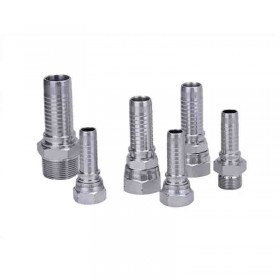
Hydraulic Fittings | Hose Fittings--Types and Applications

Hydraulic Fittings

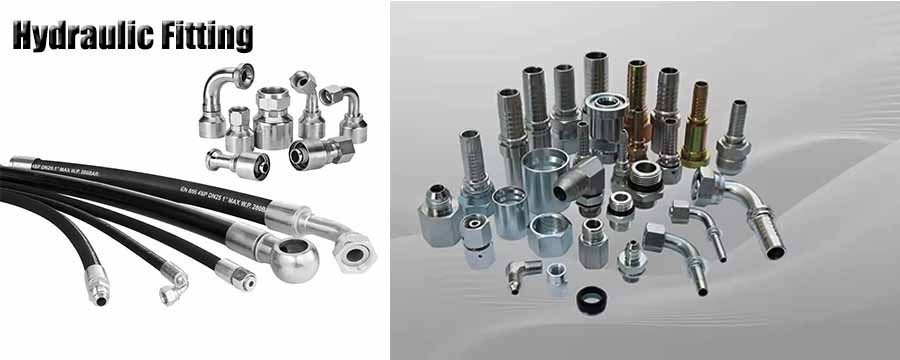
Hydraulic fittings are precision-machined connectors essential for assembling hydraulic fluid power systems.

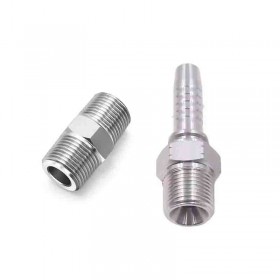
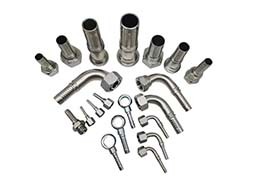
These components serve a critical function by securely joining hoses, pipes, and tubes, creating reliable, leak-proof connections capable of withstanding the tremendous pressure inherent to these systems. They are manufactured in diverse configurations—such as elbows, tees, unions, and adapters—to meet precise system specifications. Composed of robust materials like brass, steel, stainless steel, and high-grade plastics, these fittings are engineered for durability across demanding industrial and automotive applications. Common hydraulic fitting standards include JIC, SAE, NPT, and BSP. Choosing the right model to fit the hose is the first choice to extend the service life of hydraulic hose.

Here are 5 Essential Factors for Choosing Hydraulic Fittings

1. Operating Pressure Requirements

Always verify the maximum pressure rating required by your system. Components designed for demanding applications, especially those used with hydraulic tools, are categorized as high-pressure and are typically rated for 5,000 or 10,000 psi (350 or 700 bar). Confirm this specification with the supplier's documentation or online resources.

2. Required Flow Capacity

The tool's model and size dictate the necessary fluid flow. If your application demands a high flow rate, consider using either a Cone (C) type or Flat Face (F) type quick connector. Certain premium designs can handle up to four times the volume of standard couplers, significantly improving performance.

3. Thread Standard Compatibility

TheThread standards are not uniform globally, so ensure that your tools, hoses, and hydraulic fittings are all mechanically compatible. If a mismatch exists, a proper adapter or reducer can usually solve the problem. To simplify this process and prevent incompatibility, it is often best to source your tools and hose connectors from a single manufacturer.

4. Quick Coupling Mechanism

You have a choice between two primary connector styles: the traditional type, which uses a threaded sleeve that must be hand-tightened, and the modern "push-to-connect" flat face design. The latter saves time, minimizes fluid loss, and reduces spillage during connection and disconnection.

5. Construction Material

The material used to make the hydraulic fitting affects both its pressure capability and its resistance to demanding or corrosive operating environments. Furthermore, be mindful of galvanic corrosion; mixing dissimilar metals in a single system is generally considered poor practice and should be avoided.

Ultimately, the ideal hydraulic fitting perfectly matches the job at hand. The most important criteria for selection remain pressure rating, connector compatibility, flow capacity, and material composition.

Sourcing your fittings and couplers from the same company that supplied your hydraulic hose simplifies the entire selection process.