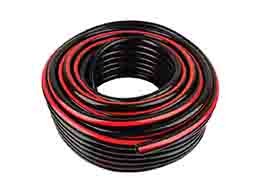
This air hose buying guide explores essential pneumatic hose materials (Poly, Rubber,Hybrid, PVC), diameters, and...
A Deep Dive into Hydraulic Fitting Types, Standards and Applications
Hydraulic systems form the backbone of countless industrial applications, from construction machinery to aerospace equipment. At the heart of these systems lies a critical component that often goes unnoticed but plays an essential role in system integrity and performance: hydraulic fittings. Understanding the various hydraulic fitting types available in the market is crucial for engineers, technicians, and system designers who aim to create reliable, efficient, and safe hydraulic installations.
The selection of appropriate hydraulic fittings directly impacts system performance, maintenance requirements, and operational safety. With numerous standards, materials, and configurations available, choosing the right fitting can seem overwhelming. This comprehensive guide explores the essential aspects of hydraulic fitting types, their applications, and the factors that influence their selection in modern hydraulic systems.
Understanding Hydraulic Fittings: Foundation and Functionality
Hydraulic fittings serve as the connecting elements that join hydraulic hoses, tubes, and components together, creating a sealed pathway for hydraulic fluid transmission. These components must withstand extreme pressures, temperature variations, and mechanical stresses while maintaining leak-free operation throughout their service life.
The primary function of hydraulic fittings extends beyond simple connection. They must accommodate thermal expansion, vibration, and pressure fluctuations while providing easy assembly and disassembly for maintenance purposes. Modern hydraulic fitting types incorporate advanced sealing technologies, corrosion-resistant materials, and precision manufacturing to meet increasingly demanding performance requirements.
Critical Performance Parameters of hydraulic fittings
When evaluating hydraulic fittings, several key parameters determine their suitability for specific applications:
Pressure Rating: The maximum operating pressure that hydraulic fittings can safely handle varies significantly across different types. Standard ratings range from 3,000 PSI for low-pressure applications to over 10,000 PSI for high-performance systems. Understanding pressure requirements is fundamental to proper hydraulic hose fittings selection.
Temperature Range: Operating temperature affects both the fitting material and sealing performance. Hydraulic fittings must maintain integrity across temperature ranges that can span from -40°F to 400°F in extreme applications.
Flow Characteristics: The internal geometry of hydraulic fitting types influences pressure drop and flow turbulence. Optimized designs minimize energy losses while maintaining structural integrity.
Chemical Compatibility: Hydraulic fluid compatibility ensures long-term performance and prevents degradation of sealing elements and fitting materials.
Classification of Hydraulic Fitting Types
The hydraulic industry has developed numerous standards and classifications for hydraulic fitting types, each addressing specific regional preferences, performance requirements, and application needs. Understanding these classifications is essential for proper system design and component interchangeability.
Thread-Based Classification System
Hydraulic fittings are primarily classified based on their thread specifications, which determine compatibility and sealing methods. The most prevalent hydraulic fitting types include parallel threads with O-ring seals, tapered threads with thread compound seals, and specialized configurations for specific applications.
Thread pitch, diameter, and sealing mechanism vary significantly between standards, making proper identification crucial for system integrity. Mixing incompatible hydraulic fitting types can result in leakage, system failure, and safety hazards.
Pressure-Based Categories
Hydraulic fitting types are also categorized by their pressure handling capabilities:
Low-Pressure Fittings (up to 1,500 PSI): Designed for return lines, tank connections, and auxiliary systems where pressure requirements are minimal.
Medium-Pressure Fittings (1,500-5,000 PSI): Suitable for most industrial hydraulic applications, including mobile equipment and stationary machinery.
High-Pressure Fittings (5,000+ PSI): Engineered for demanding applications such as injection molding, metal forming, and aerospace systems.
JIC Hydraulic Fittings: American Standard Excellence
JIC hydraulic fittings represent one of the most widely used standards in North American hydraulic applications. The Joint Industry Council (JIC) standard, also known as SAE J514, defines a 37-degree flare sealing system that provides reliable performance across various pressure ranges.
JIC hydraulic fittings utilize a metal-to-metal seal created by the 37-degree flare angle, eliminating the need for additional sealing components. This design provides excellent vibration resistance and maintains sealing integrity even under extreme pressure fluctuations.
The manufacturing precision required for JIC hydraulic fittings ensures consistent performance and interchangeability between different manufacturers. The standard covers fittings from 1/8 inch to 2 inches, accommodating most hydraulic hose fittings applications in industrial and mobile hydraulic systems.
JIC hydraulic fittings offer several advantages including high pressure capability, excellent vibration resistance, and proven reliability in harsh operating conditions. However, proper installation techniques are crucial for optimal performance, requiring specific torque values and surface preparation.
DIN Hydraulic Fittings: European Engineering Precision
DIN hydraulic fittings follow the German Industrial Standard (Deutsches Institut für Normung) and represent European engineering excellence in hydraulic connection technology. These hydraulic fitting types are characterized by their use of O-ring sealing systems and metric thread specifications.
The DIN hydraulic fittings standard encompasses several sub-categories, including DIN 2353 for compression fittings and DIN 3863 for O-ring face seal connections. Each category addresses specific application requirements while maintaining the precision and reliability expected from German engineering standards.
DIN hydraulic fittings excel in applications requiring frequent assembly and disassembly due to their O-ring sealing design. The parallel threads and O-ring seals allow for easier installation compared to flare-type connections, while maintaining excellent sealing performance.
The metric sizing system used in DIN hydraulic fittings provides fine incremental sizing options, allowing for more precise system design and optimization. This characteristic makes DIN hydraulic fittings particularly suitable for precision machinery and equipment where exact flow control is critical.
DIN hydraulic fittings are increasingly popular in global markets due to their versatility and ease of installation. The O-ring sealing system provides consistent performance across multiple assembly cycles, making them ideal for maintenance-intensive applications.
BSP Hydraulic Fittings: British Standard Heritage
BSP hydraulic fittings follow the British Standard Pipe thread specification and remain widely used throughout the Commonwealth countries and many international markets. These hydraulic fitting types utilize a tapered thread design with thread sealant or tape to achieve leak-free connections.
The BSP hydraulic fittings standard includes both tapered (BSPT) and parallel (BSPP) thread variants, each serving specific application requirements. BSPT fittings rely on thread interference for sealing, while BSPP fittings typically use bonded seals or O-rings.
BSP hydraulic fittings offer excellent compatibility with existing British and Commonwealth hydraulic systems, making them essential for maintenance and retrofit applications. The thread profile and pitch provide good mechanical strength while accommodating various sealing methods.
Modern BSP hydraulic fittings incorporate advanced materials and manufacturing techniques to meet contemporary performance requirements while maintaining compatibility with legacy systems. This balance of tradition and innovation makes BSP hydraulic fittings valuable for international hydraulic system designers.
Hydraulic Hose Fittings: Flexible Connection Solutions
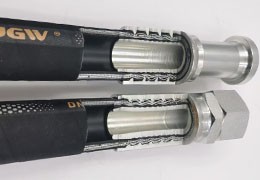
Hydraulic hose fittings represent a specialized category of hydraulic fittings designed specifically for connection to flexible hydraulic hoses. These components must accommodate the unique challenges of flexible hose systems, including hose movement, pressure pulsations, and thermal expansion.
The design of hydraulic hose fittings involves careful consideration of hose construction, operating conditions, and assembly methods. Proper selection ensures reliable performance while preventing premature hose failure or fitting separation.
Crimped vs. Reusable Hydraulic Hose Fittings
Hydraulic hose fittings are available in both permanent crimped and reusable configurations. Crimped hydraulic hose fittings provide the highest performance and reliability for demanding applications, as the crimping process creates an optimal seal between the fitting and hose.
Reusable hydraulic hose fittings offer advantages in applications requiring frequent hose replacement or field assembly. These fittings utilize mechanical compression or threaded designs to secure the hose connection without requiring special crimping equipment.
The selection between crimped and reusable hydraulic hose fittings depends on application requirements, maintenance practices, and performance expectations. Crimped fittings generally provide superior pressure ratings and longevity, while reusable fittings offer operational flexibility.
Hose Compatibility Considerations
Hydraulic hose fittings must be properly matched to hose specifications to ensure optimal performance. Hose bore size, construction type, and pressure rating all influence fitting selection. Mismatched hydraulic hose fittings can result in premature failure, reduced performance, or safety hazards.
Modern hydraulic hose fittings accommodate various hose types, including wire-braided, spiral-wound, and thermoplastic constructions. Each hose type requires specific fitting designs and assembly procedures to achieve maximum performance.
Material Selection for Hydraulic Fittings
The material composition of hydraulic fittings significantly impacts their performance, longevity, and suitability for specific applications. Common materials include carbon steel, stainless steel, brass, and specialized alloys, each offering distinct advantages and limitations.
Carbon Steel Hydraulic Fittings
Carbon steel represents the most common material for hydraulic fitting types due to its excellent strength-to-cost ratio and widespread availability. These hydraulic fittings typically receive zinc plating or other protective coatings to enhance corrosion resistance.
Carbon steel hydraulic fittings excel in high-pressure applications where strength is paramount. However, they require proper corrosion protection in environments exposed to moisture or corrosive fluids.
Stainless Steel Applications
Stainless steel hydraulic fittings provide superior corrosion resistance and are essential for applications involving food processing, pharmaceutical manufacturing, or marine environments. The higher cost of stainless steel is justified by extended service life and reduced maintenance requirements.
Different stainless steel grades offer varying levels of corrosion resistance and mechanical properties. Grade 316 stainless steel hydraulic fittings provide the highest corrosion resistance for demanding applications.
Specialized Alloys and Coatings
Advanced hydraulic fitting types utilize specialized materials and coatings to address extreme operating conditions. Titanium fittings serve aerospace applications, while nickel alloys handle high-temperature environments.
Surface treatments and coatings extend the service life of hydraulic fittings in challenging conditions. Chromate conversion coatings, anodizing, and specialized platings enhance corrosion resistance while maintaining dimensional tolerances.
Installation and Hydraulic Hose and Fittingsd Assembly Best Practices
Proper installation of hydraulic fittings is crucial for system performance and safety. Incorrect assembly can lead to leakage, premature failure, and potentially dangerous system malfunctions. Understanding proper installation techniques ensures optimal performance from hydraulic fitting types.
Preparation and Inspection
Before installing hydraulic fittings, thorough inspection of components is essential. Check threads for damage, verify proper sizes, and ensure all sealing surfaces are clean and undamaged. Contamination or damage can compromise the integrity of hydraulic fittings.
Thread preparation may require cleaning with appropriate solvents and inspection with thread gauges. Damaged threads can prevent proper sealing and may require replacement of hydraulic fittings.
Torque Specifications
Each type of hydraulic fittings has specific torque requirements that must be followed for proper sealing and to prevent damage. Over-tightening can damage threads or distort sealing surfaces, while under-tightening results in leakage.
JIC hydraulic fittings typically require higher torque values due to their metal-to-metal sealing design, while DIN hydraulic fittings with O-ring seals require more moderate torque to compress the sealing element properly.
Assembly Sequence
The proper assembly sequence for hydraulic fittings varies depending on the system configuration and fitting types used. Generally, fittings should be installed hand-tight first, then tightened to specification using appropriate tools.
When installing multiple hydraulic hose fittings on a single component, consider the assembly sequence to avoid interference and ensure proper orientation of all connections.
Sealing Technologies in Modern Hydraulic Fittings
Sealing performance represents a critical aspect of hydraulic fittings design and directly impacts system reliability. Modern hydraulic fitting types employ various sealing technologies, each optimized for specific operating conditions and performance requirements.
O-Ring Sealing Systems
O-ring sealing systems used in many hydraulic fitting types provide excellent sealing performance with relatively low installation torque requirements. The elastomeric seal accommodates minor surface imperfections and provides consistent sealing force across multiple assembly cycles.
DIN hydraulic fittings predominantly utilize O-ring sealing systems, which contribute to their reputation for reliability and ease of installation. Proper O-ring material selection ensures compatibility with hydraulic fluids and operating temperatures.
Metal-to-Metal Sealing
JIC hydraulic fittings employ metal-to-metal sealing through their 37-degree flare design. This sealing method provides excellent high-pressure capability and resistance to vibration-induced loosening.
Metal-to-metal sealing requires precise manufacturing tolerances and proper installation techniques to achieve optimal performance. Surface finish and geometry are critical factors in seal integrity.
Bonded Sealing Solutions
Some hydraulic fitting types utilize bonded sealing washers or gaskets to achieve leak-free connections. These sealing elements combine the benefits of elastomeric sealing with mechanical retention features.
Bonded seals are particularly useful in applications where disassembly for maintenance is infrequent, as they provide long-term sealing performance with minimal maintenance requirements.
Hydraulic fittings Performance Testing and Quality Assurance
Quality assurance in hydraulic fittings manufacturing involves comprehensive testing protocols to verify performance characteristics and ensure compliance with relevant standards. These testing procedures validate the design integrity and manufacturing quality of hydraulic fitting types.
Pressure Testing Protocols
All hydraulic fittings undergo pressure testing to verify their ability to withstand rated working pressures and proof pressures. Test procedures typically involve gradual pressure increases while monitoring for leakage or deformation.
Burst pressure testing determines the ultimate failure point of hydraulic fittings, providing safety margin information for system designers. These tests help establish safety factors for different hydraulic fitting types.
Vibration and Fatigue Testing
Hydraulic hose fittings and other connection types undergo vibration testing to simulate real-world operating conditions. These tests reveal potential failure modes and validate design adequacy for dynamic applications.
Fatigue testing involves repeated pressure cycling to assess long-term durability. This testing is particularly important for hydraulic fittings used in mobile equipment or applications with frequent pressure variations.
Environmental Testing
Environmental testing exposes hydraulic fittings to temperature extremes, humidity variations, and corrosive atmospheres to validate their performance in challenging conditions. These tests ensure that hydraulic fitting types maintain their integrity across their intended operating range.
Salt spray testing evaluates corrosion resistance of protective coatings and base materials used in hydraulic fittings. This testing is crucial for applications in marine or industrial environments.
Application-Specific Considerations
Different industries and applications place unique demands on hydraulic fittings, requiring careful consideration of performance requirements, environmental factors, and maintenance practices. Understanding these application-specific needs guides proper selection of hydraulic fitting types.
Mobile Hydraulic Equipment
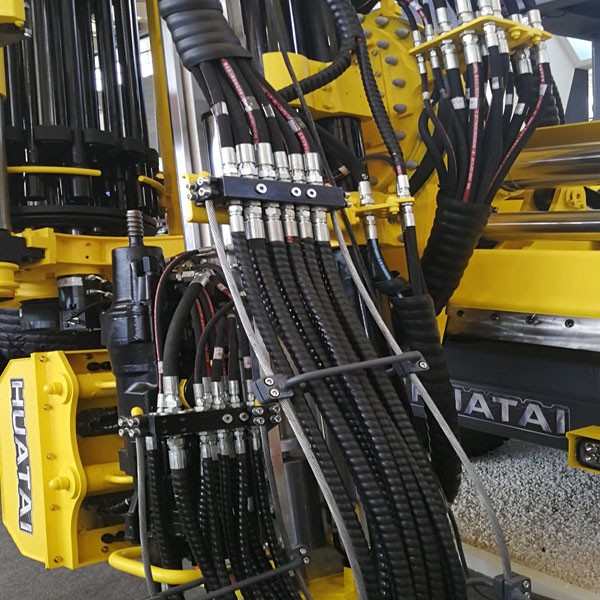
Mobile hydraulic equipment presents unique challenges for hydraulic fittings due to vibration, temperature variations, and space constraints. Hydraulic hose fittings in mobile applications must withstand constant movement and flexing while maintaining leak-free operation.
Compact design and lightweight materials become important factors in mobile applications, where space and weight limitations influence hydraulic fitting types selection. Quick-disconnect fittings may be incorporated for maintenance accessibility.
Industrial Fixed Systems
Industrial hydraulic systems typically operate in controlled environments with predictable operating conditions. This stability allows for optimization of hydraulic fittings selection based on performance and cost considerations.
Maintenance accessibility and standardization become important factors in industrial applications, influencing the choice of hydraulic fitting types and connection methods.
Aerospace and High-Performance Applications
Aerospace applications demand the highest performance levels from hydraulic fittings, including extreme pressure capability, temperature resistance, and weight optimization. Specialized materials and manufacturing processes ensure reliability in critical applications.
Hydraulic fitting types for aerospace applications undergo extensive qualification testing and must meet stringent quality standards. Traceability and documentation requirements exceed those of industrial applications.
Future Trends in Hydraulic Fitting Technology
The hydraulic industry continues to evolve, driving innovations in hydraulic fittings design and manufacturing. Emerging trends focus on improved performance, environmental sustainability, and integration with smart system technologies.
Smart Fitting Technologies
Integration of sensor technology into hydraulic fittings enables real-time monitoring of system parameters such as pressure, temperature, and flow rate. These smart hydraulic fitting types provide valuable diagnostic information for predictive maintenance programs.
Wireless communication capabilities allow remote monitoring of hydraulic fittings performance, enabling proactive maintenance and reducing unexpected failures.
Advanced Materials and Manufacturing
Additive manufacturing technologies enable production of complex hydraulic fitting types with optimized internal geometries and integrated features. These manufacturing advances allow for customization and rapid prototyping of specialized fittings.
New materials development focuses on enhanced performance characteristics while reducing environmental impact. Bio-based and recyclable materials are being investigated for hydraulic fittings applications.
Environmental Considerations
Environmental sustainability drives development of more efficient hydraulic fitting types that minimize pressure losses and reduce system energy consumption. Improved sealing technologies extend service life and reduce maintenance requirements.
Recyclability and end-of-life considerations increasingly influence material selection and design decisions for hydraulic fittings.
Maintenance and Troubleshooting
Proper maintenance of hydraulic fittings ensures continued system reliability and prevents costly failures. Understanding common failure modes and maintenance practices extends service life and optimizes system performance.
Preventive Maintenance Practices
Regular inspection of hydraulic fittings includes checking for leakage, corrosion, and mechanical damage. Visual inspection can identify potential problems before they result in system failure.
Torque verification ensures that hydraulic fittings maintain proper sealing force throughout their service life. Vibration and thermal cycling can cause loosening over time.
Common Failure Modes
Understanding common failure modes helps in selecting appropriate hydraulic fitting types and implementing proper maintenance practices. Leakage represents the most common failure mode, often resulting from seal degradation or improper installation.
Mechanical failure of hydraulic fittings can result from over-pressurization, fatigue, or corrosion. Proper system design and component selection minimize these risks.
Troubleshooting Procedures
Systematic troubleshooting procedures help identify the root cause of hydraulic fittings problems. Pressure testing, flow analysis, and visual inspection provide diagnostic information for problem resolution.
Documentation of maintenance activities and failure analysis helps identify trends and optimize hydraulic fitting types selection for improved reliability.
Hydraulic Hose Fittings Conclusion
The selection and application of appropriate hydraulic fitting types represents a critical aspect of hydraulic system design and operation. Understanding the characteristics, advantages, and limitations of different hydraulic fittings enables engineers and technicians to create reliable, efficient systems that meet demanding performance requirements.
From JIC hydraulic fittings with their proven 37-degree flare design to DIN hydraulic fittings with their precision O-ring sealing systems, each hydraulic fitting types category offers distinct advantages for specific applications. BSP hydraulic fittings continue to serve international markets while hydraulic hose fittings provide essential flexible connections in mobile and industrial systems.
The evolution of hydraulic fittings technology continues to address emerging challenges in system performance, environmental sustainability, and operational efficiency. Advanced materials, smart technologies, and innovative manufacturing processes promise to expand the capabilities and applications of future hydraulic fitting types.
Proper selection, installation, and maintenance of hydraulic fittings ensure optimal system performance while minimizing lifecycle costs and environmental impact. As hydraulic systems continue to evolve and expand into new applications, the importance of understanding hydraulic fitting types and their proper application becomes increasingly critical for success in modern industrial and mobile equipment design.
The comprehensive understanding of hydraulic fittings presented in this guide provides the foundation for making informed decisions in system design, component selection, and maintenance practices. Whether working with traditional hydraulic fitting types or exploring emerging technologies, this knowledge ensures reliable and efficient hydraulic system operation across diverse applications and operating conditions.
Leave a comment
Comments
-
hydraulic fitting types
By: Galenia On 01/23/2026This blog offers a professional guide to hydraulic fitting types, covering standards and applications in detail—very helpful for selection and maintenance!
Latest comments