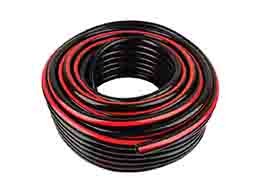
This air hose buying guide explores essential pneumatic hose materials (Poly, Rubber,Hybrid, PVC), diameters, and...
Best Garden Hose of 2026 Reviewed: Find the Perfect Lightweight & Durable Watering Solution
I.Introduction-Help You Choose The Best Garden Hose in 2026
As we approach 2026, home gardening continues to evolve, and choosing the right best garden hose has become more critical than ever. Whether you're maintaining a small balcony garden or a sprawling lawn, your garden hose is an essential tool that directly impacts your gardening experience and efficiency.
This comprehensive guide will help you navigate the 2026 garden hose market by addressing common pain points with traditional hoses, exploring the revolutionary advantages of polyurethane hoses, and providing detailed guidance on hose connector sizes and specifications. We'll also examine popular options like the expandable garden hose and flexible garden hose to help you make an informed decision.
Why Upgrade Your Garden Hose in 2026?
The garden hose industry has undergone significant transformations in recent years. New materials like polyurethane have revolutionized durability and performance, while smart technology integration offers unprecedented convenience. Environmental concerns have also pushed manufacturers toward eco-friendly, long-lasting solutions that reduce waste and water consumption.
Traditional PVC hoses that dominated the market for decades are rapidly being replaced by advanced materials that offer superior flexibility, durability, and temperature resistance. The best garden hose in 2026 combines cutting-edge materials with user-friendly design, environmental sustainability, and long-term cost effectiveness.
This guide covers everything you need to know about selecting the best garden hose for your specific needs, whether you're looking for a lightweight expandable garden hose for a small patio or a heavy-duty 100 ft garden hose for commercial landscaping. We'll explore how innovations in hose technology, from improved garden hose nozzle compatibility to advanced garden hose quick connect systems, have made watering tasks easier and more efficient than ever before.
By understanding the limitations of traditional hoses, the breakthrough benefits of polyurethane construction, and the importance of proper connector sizing, you'll be equipped to choose a garden hose that will serve you reliably for years to come. Let's dive into what makes the best garden hose in 2026 and how you can find the perfect match for your gardening needs.
II. Common Pain Points with Traditional Garden Hoses
A. Material Degradation and Durability Issues on Garden Hose
1. UV Radiation Damage
Traditional garden hoses, particularly those made from cheap PVC, suffer significantly from ultraviolet radiation exposure. The sun's UV rays break down plastic polymers, causing surface cracking, discoloration, and material brittleness. After just one summer season of outdoor use, you'll notice visible degradation - the hose becomes stiff, develops a chalky surface, and loses its original flexibility. This accelerated aging means frequent replacements, creating both economic burden and environmental waste. The best garden hose should resist UV damage for years, not months.
2. Temperature Sensitivity
Traditional hoses struggle with temperature extremes:
Winter Problems:
Hoses become rigid and difficult to maneuver
Low temperatures cause cracking and splitting
Water freezing inside causes catastrophic bursting
Completely unusable in cold weather conditions
Summer Problems:
Water inside can reach 130°F (54°C) or higher
Hot water burns hands and damages plants
Heat expansion causes permanent deformation
Materials soften and lose structural integrity
3. Cracking and Leaking
Connection points are especially prone to leaking in traditional hoses. Pinhole leaks are difficult to detect but waste significant water. Fold points develop stress cracks that worsen over time. Repair tape provides only temporary fixes, and leaks reduce water pressure, compromising irrigation efficiency. These issues make traditional hoses far from the best garden hose option.
B. User Experience Pain Points With Garden Hose
1. Tangling and Kinking Problems
Perhaps the most frustrating issue with traditional hoses is their tendency to tangle and kink. During use, hoses frequently develop knots that completely stop water flow. Untangling consumes valuable time and energy, and kinked areas suffer permanent damage that weakens the hose structure. When pulling the hose around corners, it suddenly catches and stops, forcing you to backtrack and readjust. Storage becomes a nightmare as you struggle to coil the stubborn hose neatly. An expandable garden hose or flexible garden hose largely eliminates these problems.
2. Rigidity and Difficult Operation
Cheap PVC hoses lack flexibility, requiring significant force to bend. They cannot smoothly navigate around garden obstacles, creating frustrating bottlenecks at sharp turns. Users must constantly adjust the hose position during use, making the experience exhausting rather than enjoyable. Elderly users find traditional rigid hoses particularly challenging to operate.
3. Heavy Dragging Resistance
Moving a traditional hose across your lawn requires considerable effort. The hose constantly catches on garden decorations, plants, furniture, and other obstacles. You need both hands to pull it effectively, and corners present major resistance points. This physical strain turns simple watering tasks into workout sessions, diminishing the pleasure of garden maintenance. Frequent back-and-forth trips to reposition the hose waste time and energy.
4. Twisting and Crushing
Traditional hoses easily twist 180 degrees, completely blocking water flow at the twist point. When vehicles drive over them, permanent deformation occurs. These "memory kinks" never fully recover, creating permanent weak points that reduce efficiency and increase pump load. The best garden hose resists twisting and recovers from compression.
C. Performance and Functional Deficiencies
1. Unstable Water Pressure
Water flow fluctuates unpredictably in traditional hoses. Pressure drops significantly at the far end, especially with longer lengths. Multiple kinks cause pressure to plummet dramatically. High-pressure spray nozzles cannot perform effectively, resulting in uneven watering and poor irrigation results. This inconsistency is unacceptable in the best garden hose.
2. Length Limitations
Traditional hoses become excessively heavy at longer lengths. A 100 ft garden hose made from traditional PVC is nearly impossible to maneuver alone. Multiple sections must be connected together, with each connection point adding leak risks. Large property owners find traditional hoses impractical for complete coverage.
3. Chemical Safety Concerns
Inexpensive PVC contains phthalates and other harmful chemicals. These materials emit plastic odors, especially when heated by sunlight. Chemical leaching raises concerns about soil and plant contamination. Traditional hoses are unsuitable for drinking water applications, and growing environmental awareness has made these safety issues increasingly important for consumers seeking the best garden hose.
D. Garden Hose Faced Maintenance and Storage Challenges
1. Space-Consuming Storage
While traditional hoses can be coiled, they still require significant storage space. Improper storage looks unsightly and accelerates deterioration. Finding adequate storage becomes a challenge, particularly for homeowners with limited garage or shed space.
2. Difficult Cleaning
Hose interiors easily develop algae and bacteria growth. Opaque walls prevent visual inspection of internal condition. Specialized tools are needed for thorough cleaning, and odors are difficult to eliminate once established. The best garden hose should be easier to maintain.
3. Seasonal Storage Hassles
Winter requires complete water drainage to prevent freeze damage. Dedicated storage space is necessary to protect hoses from cold weather. Forgotten hoses inevitably crack and split. Spring retrieval means inspecting for winter damage before use, adding unnecessary complications to seasonal maintenance.
E. Economic and Environmental Issues
1. Frequent Replacement Costs
Cheap hoses require replacement every 1-2 years. While individually inexpensive, cumulative costs quickly add up. Time costs and shopping inconvenience add to the total burden. The best garden hose should last many years, not seasons.
2. Environmental Pollution
Discarded plastic hoses resist decomposition for decades. Landfill disposal or incineration creates pollution. Non-recyclable materials conflict with 2026's environmental priorities. Consumers increasingly seek sustainable alternatives.
3. Water Resource Waste
Leaking hoses continuously waste water. Inefficient irrigation compounds the problem. In water-scarce regions, these losses are particularly serious. The best garden hose should maximize water conservation.
III. Comprehensive Advantages of Polyurethane Garden Hoses
First, Breakthrough Material Properties
1. Material Science Background
Polyurethane (PU) represents a revolutionary advancement in garden hose technology. This high-performance engineering plastic bridges the gap between rigid plastics and flexible rubbers, offering the best properties of both. Originally developed for industrial applications requiring extreme durability, polyurethane has migrated to consumer markets as manufacturing costs have decreased. In 2026, polyurethane is widely recognized as the premier material for the best garden hose, often called "next-generation hose material."

2. Molecular Structure Advantages
Polyurethane's polymer chains provide exceptional flexibility while cross-linked structures deliver superior strength. The material exhibits elastic memory, automatically returning to its original shape after bending or compression. Some premium products even feature self-healing properties that seal minor punctures. This makes polyurethane hoses the best flexible garden hose option available.
Second,Outstanding Physical Performance
1. Superior Abrasion Resistance
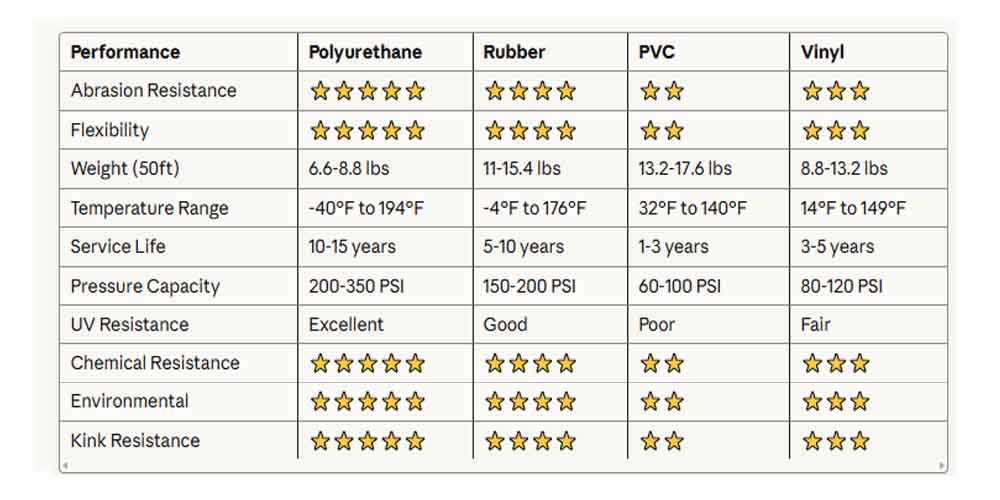
Polyurethane's abrasion resistance exceeds PVC by 5-10 times and rubber by 2-3 times. You can drag polyurethane hoses across rough surfaces, gravel pathways, and concrete without fear of damage. This exceptional durability dramatically extends service life and makes polyurethane ideal for various terrain conditions. The best garden hose must withstand years of dragging and use.
2. Tear Resistance
With tear strength reaching three times that of rubber, polyurethane hoses resist damage propagation even when small cuts occur. Accidental nicks won't expand into major failures, providing outstanding reliability that gives users confidence in their investment.
3. Flexibility and Elasticity
Polyurethane offers extreme softness that surpasses even rubber. These hoses can fold 180 degrees without damage, and their memory rebound properties mean they automatically straighten after use. Never becoming stiff or rigid, polyurethane hoses remain easy to operate and store regardless of conditions. They effortlessly navigate around obstacles, making them the ultimate flexible garden hose.
4. Kink and Crush Resistance
Material properties naturally resist kinking - even sharp bends won't interrupt water flow. When vehicles drive over polyurethane hoses, they completely recover without permanent creasing. This maintains stable water pressure and eliminates the frustration common with traditional hoses. This anti-kink property is essential in the best garden hose.
Third, Extreme Temperature Adaptability
1. Cold Weather Performance
Polyurethane remains flexible at temperatures as low as -40°F (-40°C), offering four times the cold resistance of PVC. Winter outdoor use presents no obstacles, making these hoses ideal for cold climate regions. They won't freeze-crack and can be used year-round without seasonal swapping. This all-season capability defines the best garden hose.
2. Heat Tolerance
Capable of withstanding water temperatures up to 158-194°F (70-90°C), polyurethane hoses don't deform during summer sun exposure and release no harmful substances when heated. They're suitable for warm water washing applications and hot water gardening tasks that would destroy traditional hoses.
3. Temperature Variation Stability
Day-night temperature swings don't affect performance. Polyurethane adapts rapidly from freezing to hot environments. Four-season usability eliminates the need for seasonal hose changes or special storage procedures, reducing maintenance hassles significantly. The best expandable garden hose often incorporates polyurethane for this reason.
Fourth, High Pressure Capacity
1. Working Pressure Range
Standard polyurethane hoses handle 200-250 PSI, while professional-grade versions withstand 300-350 PSI. This far exceeds PVC (60-100 PSI) and surpasses rubber (150-200 PSI), making polyurethane the best garden hose for high-pressure applications.
2. Burst Pressure
Burst testing reveals polyurethane hoses fail only at 600-800 PSI, providing enormous safety margins. This high-pressure compatibility makes them suitable for pressure washers and various high-pressure spray nozzles, expanding their utility beyond basic watering. Any garden hose nozzle works perfectly with polyurethane.
3. Pressure Stability
Hose diameter remains constant regardless of water pressure fluctuations. Flow stays consistently uniform, and long-distance water transmission occurs without pressure drops. Even 100 ft garden hose lengths maintain excellent performance, something traditional materials cannot match.
Fifth,Extended Service Life
1. Anti-Aging Properties
Polyurethane exhibits exceptional UV resistance, ozone resistance, and oxidation resistance. Service life reaches 10-15 years - five to ten times longer than traditional hoses. This longevity makes polyurethane the best garden hose from a lifecycle perspective.
2. Chemical Corrosion Resistance
Polyurethane resists fertilizer corrosion, herbicides, pesticides, oils, solvents, and acids/bases (pH 3-11). Garden chemicals don't shorten hose life, providing reliable performance regardless of what products you use in your garden.
Seventh, Lightweight Design
Different garden hose comparison

Polyurethane Garden Hose Features
1. Transparent or Translucent Options
Many polyurethane hoses feature clear or semi-clear designs, allowing visual observation of water flow. Users can detect blockages or debris immediately, and the modern appearance enhances garden aesthetics. Multiple color choices complement various design preferences.
2. Texture and Touch
Premium texture and smooth, comfortable surfaces resist dust accumulation. Easy cleaning maintains like-new appearance for years, adding to the premium feel of the best garden hose
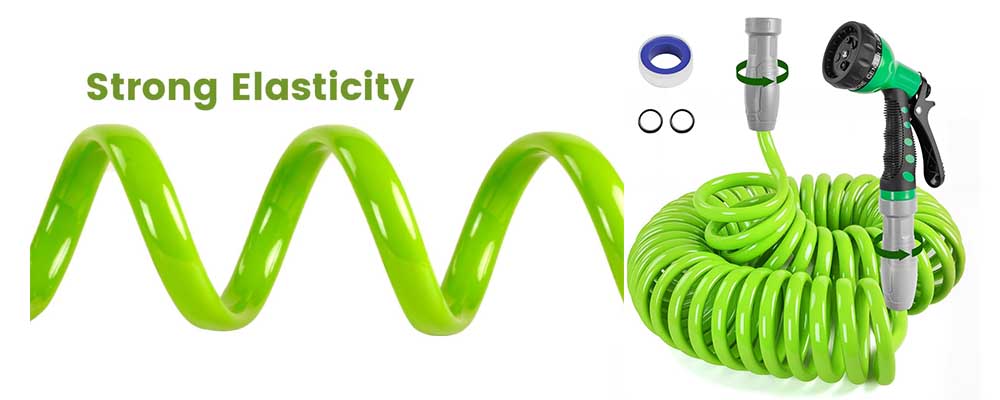
3. Automatic retraction design
Space-saving
Ideal for limited-range applications
Popular for car washing and workshops
Emerging home garden trend
IV. Complete Guide to Garden Hose Connector Sizes
Standard Connector Size System Overview
1. Global Standardization Progress
The garden hose industry uses several threading standards worldwide. GHT (Garden Hose Thread) dominates North American markets, while BSP (British Standard Pipe) prevails in the UK, Australia, and parts of Asia. European systems have developed their own standards. By 2026, international unification trends are improving cross-regional compatibility, making it easier to use the best garden hose anywhere. Understanding garden hose connector standards is essential for ensuring compatibility.
2. Why Connector Size Matters
Connector size determines water flow capacity, affects component compatibility, influences seal effectiveness, impacts water pressure performance, and determines your range of accessory choices. Selecting the wrong size undermines even the best garden hose performance. The right garden hose adapter ensures optimal function.
Purchasing Recommendations and Common Questions
1. Beginner Buying Advice
Choose 3/4" standard size in 95% of situations
Confirm connector size when buying polyurethane hoses
Check your outdoor faucet size
Consider future expansion compatibility
Essential for selecting the best garden hose
2. How to Measure Existing Connectors
Use calipers to measure outer diameter
Check product labels
Compare to standard size charts
Bring old connector to store for matching
3. Common Mistakes to Avoid
Don't assume all connectors are universal
Note American vs British standard differences
Check thread direction
Confirm seal gasket integrity
Important when using garden hose quick connect fittings
4. Accessory Compatibility Checking
Spray nozzle interface size
Splitter sizing
Timer interfaces
Faucet adapters
Garden hose nozzle compatibility
Ensure complete system works as the best garden hose setup.
V. How to buy the Best Garden Hose Conclusion
Selecting the best garden hose in 2026 requires understanding the significant limitations of traditional hoses and recognizing the revolutionary advantages offered by modern polyurethane construction. As we've explored throughout this comprehensive guide, the ideal garden hose combines superior material properties, appropriate connector sizing, and thoughtful design features to deliver years of reliable, frustration-free service.
Key Takeaways:
Traditional PVC and vinyl hoses suffer from numerous problems including UV degradation, temperature sensitivity, kinking, heavy weight, and short lifespans. These issues create ongoing frustration and recurring expenses that far exceed the initial cost savings. The frequent replacement cycle also contributes to environmental waste that conflicts with 2026's sustainability priorities.
Polyurethane has emerged as the premier material for the best garden hose, offering 5-10 times the abrasion resistance of PVC, exceptional flexibility that prevents kinking, remarkable temperature tolerance from -40°F to 194°F, and service lives extending 10-15 years. While polyurethane hoses cost more initially, their long-term value proposition is undeniable - lower annual costs, reduced replacement hassle, and superior performance throughout their extended lifespan.
For those seeking maximum portability and space efficiency, the expandable garden hose represents an innovative solution that combines lightweight construction with automatic retraction. Modern versions incorporating polyurethane inner tubes have largely overcome the durability concerns that plagued early expandable designs. Similarly, the flexible garden hose category has been revolutionized by polyurethane's superior bend radius and memory properties.
Evergood extends a professional invitation to partner with us under an Original Equipment Manufacturing (OEM) framework. We are poised to transform your proprietary vision for the best garden hose into a high-quality, market-ready product.
Evergood serve not just as a manufacturer, but as a strategic innovation partner. Whether your concept involves a revolutionary material compound, a breakthrough anti-kink structure, or a unique expandable mechanism, please submit any new design concepts to us for a confidential consultation.
Let us leverage our specialized engineering expertise and guaranteed factory-direct pricing to ensure your innovative best garden hose design is produced with superior quality and efficiency, allowing your product to secure a competitive advantage in the global market.
Leave a comment
Comments
-
Best Garden Hose
By: Rilla On 01/27/2026Excellent review! This guide is incredibly helpful for choosing a durable yet lightweight garden hose. The detailed breakdown of features makes finding the perfect watering solution so much easier. Great job!
Latest comments