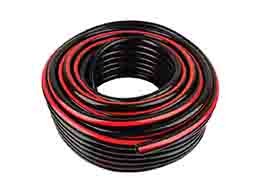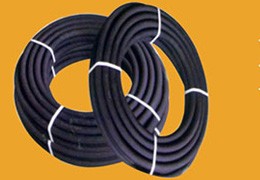
This air hose buying guide explores essential pneumatic hose materials (Poly, Rubber,Hybrid, PVC), diameters, and...
The Ultimate Industrial Slurry Hose Guide
Ultimate Slurry Hose Selection Guide: Expert Solutions for Industrial Applications
Your Comprehensive Resource for High-Performance Slurry Transport Systems
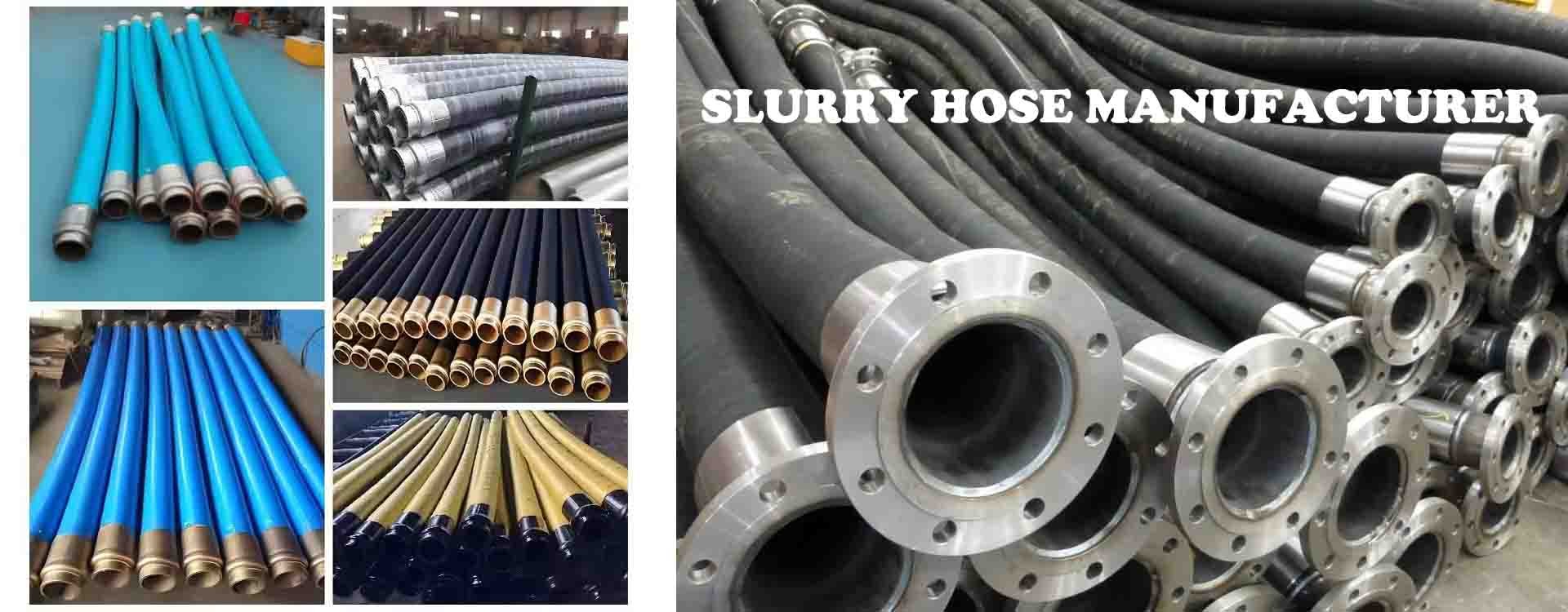
As a leading slurry hose manufacturer, we understand the critical importance of selecting the right equipment for demanding industrial applications. Whether you're involved in mining operations, dredging projects, or construction dewatering, choosing the appropriate slurry hose can significantly impact your operational efficiency, downtime reduction, and long-term cost savings. This comprehensive guide explores everything you need to know about slurry hose systems, from basic concepts to industry-specific applications, helping you make informed decisions for your projects.
Part 1: Understanding Slurry Hose Technology
1.1 Product Definition and Key Features
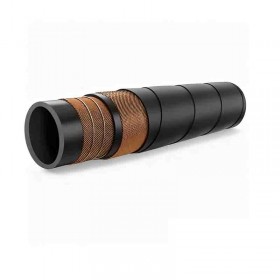
A slurry hose is specifically engineered to transport abrasive mixtures of solids and liquids. Unlike standard water hoses, rubber hose systems must withstand continuous particle impact, high-density fluid pressure, and complex operational stresses. The fundamental difference lies in their reinforced construction and specialized inner lining designed to resist wear.
These hoses focus on handling large volumes of abrasive materials in various industrial settings including mining, tunneling, and excavation sites. They prioritize lightweight design for rapid deployment, crush resistance for vacuum applications, and weather resistance for outdoor exposure.
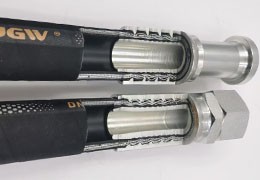
Core Structure Components:
• Outer protection layer (UV resistant, abrasion resistant, weatherproof)
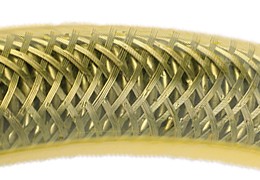
• Reinforcement layer (high-strength textile or steel wire spiral)
• Intermediate buffer layer (shock and vibration absorption)
• Inner wear-resistant lining (direct contact with media)
1.2 Critical Technical Parameters
Understanding key specifications is essential when selecting slurry pump hose systems:
| Parameter | Description | Typical Range |
|---|---|---|
| Working Pressure | Maximum operating pressure | 1.0 - 5.0 MPa |
| Burst Pressure | Safety margin (3-4x working) | 3.0 - 20.0 MPa |
| Vacuum Rating | Suction capability | -0.08 to -0.095 MPa |
| Temperature Range | Operating temperature | -40°C to +80°C |
| Bend Radius | Minimum bending limitation | 6-8x outer diameter |
1.3 Common Failure Modes
Understanding how slurry hose pipe systems fail helps prevent costly downtime:
Inner Wall Perforation
Caused by localized high-velocity particle erosion. Prevention: Optimize pipeline design to avoid sharp bends.
Coupling Burst
Pressure spikes exceed rated capacity. Prevention: Install buffer devices and pressure monitoring systems.
Outer Layer Cracking
UV aging and ozone attack. Prevention: Use weather-resistant outer layers with sun protection.
Part 2: Slurry Hose Classification
2.1 Classification by Structure
All-Rubber Slurry Hose
Applications: Mobile pumping operations, frequent installation changes, moderate wear environments
Benefits: Excellent flexibility, good shock absorption, cost-effective for medium-duty applications
Steel Wire Reinforced Slurry Hose
Applications: High-pressure pumping (>2.5 MPa), long-distance transport (>500m), high elevation lift
Benefits: Superior pressure capacity, excellent pulse resistance, extended service life
Suction and Discharge Hose
Applications: Dredging operations, dewatering projects, vacuum applications
Benefits: Dual functionality, anti-collapse spiral reinforcement, versatile performance
2.2 Classification by Application
• Dedicated Slurry Transport: Heavy-duty slurry suction hose for abrasive material handling
• Clean Water Discharge: Standard discharge hose for water removal operations
• Universal Type: Multi-purpose rubber hose for various industrial applications
2.3 Classification by Working Mode
• Discharge Only (Positive Pressure): Standard slurry pump hose for pumping applications
• Suction Only (Negative Pressure): Specialized vacuum-rated suction hose
• Suction-Discharge Combined: Versatile slurry pipes for bidirectional flow
Part 3: In-Depth Industry Applications
3.1 Mining Industry Applications
Underground Dewatering Systems
Working Conditions:
• Vertical lift heights: 50-500 meters
• Light sediment water or slightly contaminated discharge
• Frequent relocation requirements in confined spaces
• Fire-resistant properties mandatory
Selection Criteria: High-pressure rating (2.5-5.0 MPa), lightweight construction, quick-connect couplings, safety certifications. The right slurry hose selection can reduce installation time by 40% and prevent costly water accumulation delays.
Tailings Transport Systems
Working Conditions:
• High solid content: 40-70%
• Highly abrasive particles (quartz, silica)
• Long-distance conveyance: 1-5 kilometers
• Continuous operation demands
Selection Criteria: Ultra-thick wear lining (≥20mm), multiple steel wire reinforcement layers, flanged connections, segmented wear monitoring. Premium slurry rubber hose systems in tailings applications typically deliver 3-5 times longer service life compared to standard options.
Emergency Water Inrush Response
Working Conditions:
• Sudden large-volume water discharge
• Debris and large particle content
• Rapid temporary deployment over complex terrain
Selection Criteria: Large diameter (200-600mm), tear-resistant construction, drag-resistant exterior, rapid coupling systems. Having pre-positioned emergency slurry hose pipe inventory can mean the difference between controlled response and catastrophic flooding.
3.2 Dredging Industry
Cutter Suction Dredgers
Working Conditions:
• Saltwater plus sand abrasion
• 24-hour continuous operations
• Floating pipeline configurations
• Tidal pressure fluctuations
Pipeline Configuration: Shore-based fixed sections, floating pontoon sections, vessel connection segments. Marine-grade slurry suction hose with proper flotation can extend operational range by 30-50% compared to rigid pipe systems.
Environmental Dredging
Working Conditions:
• Low-concentration sediment (5-20% solids)
• Enclosed operation requirements
• Environmentally sensitive areas
Selection Criteria: Leak-proof connections, transparent monitoring sections, noise-dampening design, environmental certifications. Modern environmental regulations increasingly require enclosed slurry pipes to prevent spillage and minimize ecological impact.
3.3 Tunnel and Foundation Engineering
Shield Tunneling Discharge
Working Conditions:
• Mixed spoil and slurry discharge
• Confined space installation
• Dynamic adjustment during advance
• High reliability requirements (downtime cost: $10,000/hour)
Innovative Solutions: Pre-fabricated quick-change segments (15-minute replacement), real-time wear monitoring sensors, parallel backup line design for zero downtime. Advanced slurry rubber hose systems with predictive maintenance capabilities can reduce unplanned shutdowns by up to 60%.
Deep Foundation Dewatering
Working Conditions:
• 24-hour continuous pumping
• Multi-well concentrated discharge
• Surface temporary pipeline network
• Seasonal use patterns
Selection Criteria: Cost-optimized mid-grade specifications, multi-branch connection capability, ground-drag wear resistance, winter freeze protection. For temporary applications, hose rental options can reduce project costs by 30-40% compared to purchase.
3.4 Emergency Response
Flood Control and Drainage
Working Conditions:
• Emergency rapid deployment
• High-volume, low-head pumping
• Debris-laden water
• Temporary installations
Strategic Inventory: Government emergency stockpiles should include large-diameter (400-800mm) lightweight slurry hose, quick-connect couplings, and portable storage solutions for rapid mobilization during natural disasters.
Part 4: Selection Decision Framework
4.1 Working Condition Assessment Checklist
• Media characteristics (solid content, particle size, corrosiveness)
• Pressure requirements (discharge, suction, maximum surge)
• Flow rate demands (cubic meters per hour)
• Transport distance and elevation change
• Operating mode (continuous or intermittent)
• Environmental conditions (temperature, weather, altitude)
• Usage duration (temporary or long-term)
4.2 Quick Selection Matrix
| Application | Recommended Type | Key Parameters |
|---|---|---|
| Underground Drainage | High-pressure steel wire hose | 3-5 MPa rating |
| Tailings Transport | Ultra-wear resistant hose | 20-30mm lining thickness |
| Dredging Operations | Suction-discharge with floats | -0.08 MPa vacuum rating |
| Foundation Dewatering | Medium-pressure discharge hose | 1.5 MPa working pressure |
| Emergency Response | Large-diameter lightweight | 600mm diameter capacity |
4.3 Coupling and Accessory Selection
Connection Types:
• Flanged connections: Permanent installations, high-pressure applications
• Quick couplings: Frequent assembly/disassembly, mobile operations
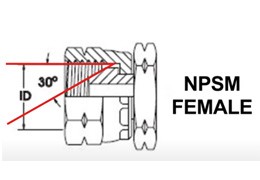
• Threaded connections: Smaller diameters, low-pressure systems
Essential Accessories:
• Gasket material selection (NBR, EPDM, PTFE based on media)
• Clamp and support fixtures for proper securing
• Flotation pontoons for water surface applications
• Pressure gauges and flow meters for monitoring
Part 5: Slurry Hose Installation and Troubleshooting
5.1 Common Problems and Solutions
| Problem | Possible Cause | Solution |
|---|---|---|
| Leakage at connections | Loose coupling or seal failure | Re-tighten or replace gaskets |
| Flow rate decrease | Internal wear or blockage | Inspect inner wall, clear debris |
| Abnormal pressure | Pump mismatch or hose damage | Adjust pump or replace hose |
| Outer layer cracking | Aging or mechanical damage | Replace damaged section |
| Hose collapse (suction) | Excessive vacuum or reinforcement damage | Reduce suction or replace hose |
Part 6: Pump Slurry Hose Cost and Investment Analysis
6.1 Rental vs Purchase Decision
When to Rent Slurry Hose:
• Short-term projects (less than 6 months duration)
• High uncertainty in requirements or specifications
• Need for multiple size variations
• Limited capital budget constraints
When to Purchase Slurry Hose:
• Long-term fixed operations (multi-year commitment)
• High-frequency usage scenarios (daily operations)
• Custom specification requirements
• Cost amortization makes financial sense
Part 7: Slurry Hose Pipe Safety and Compliance
7.1 Safety Operating Procedures
Pre-Operation Inspection:
• Visual examination for cuts, abrasions, or bulging
• Pressure testing before first use and after repairs
• Coupling tightness verification
• Personnel training on emergency shutdown procedures
7.2 Industry Standards and Certifications
Key Certifications for Slurry Hose:
• ISO 9001: Quality management systems
• Safety Certifications: Underground equipment approvals
• Classification Society Approvals: CCS, ABS, DNV for marine applications
• Environmental Compliance: Material safety and disposal regulations
7.3 Environmental Protection
Modern slurry hose operations must incorporate environmental safeguards:
• Spill containment and leak detection systems
• Proper disposal and recycling of worn rubber hose components
• Noise reduction measures in residential areas
• Ecological impact assessments for water discharge locations
Part 8: Technology Development Trends
8.1 Material Innovation
The future of slurry hose technology lies in advanced material science:
Nano-Composite Rubber
Enhanced wear resistance through nano-particle reinforcement, potentially doubling service life in high-abrasion applications. Early testing shows 40-60% improvement in erosion resistance for industrial hose applications.
Ultra-High Molecular Weight Polyethylene (UHMWPE)
Exceptional abrasion resistance combined with reduced weight, making large-diameter systems easier to handle and install while maintaining superior durability.
Self-Healing Materials
Emerging polymer technologies that can automatically repair minor punctures and cracks, reducing catastrophic failures and extending maintenance intervals for slurry pump hose systems.
Conclusion: From Slurry Hose Procurement to System Solutions
Key Takeaways
Three Selection Principles:
1. Match Working Conditions: Precisely select slurry hose based on media characteristics and pressure requirements
2. Balance Costs: Consider total cost of ownership, not just initial purchase price
3. Value Service: Technical support and response time are equally critical as product quality
Industry Application Essentials:
Mining Drainage: High-pressure durability with rapid deployment capability
Tailings Transport: Ultra-wear resistance for long-distance conveyance
Dredging Operations: Saltwater corrosion resistance with flotation support
Emergency Response: Large-diameter lightweight design for immediate deployment
Decision Recommendations
For New Users:
Seek experienced slurry hose manufacturer partners who can provide comprehensive technical solutions rather than just selling products. A knowledgeable supplier will help you avoid costly mistakes and optimize your system from the start.
For Experienced Users:
Establish detailed databases recording wear patterns from each application. This data enables continuous optimization of hose selection and maintenance strategies, reducing long-term operational costs.
For Project Managers:
Integrate slurry pipes and discharge systems into initial project design phases. Early planning prevents costly retrofits and operational disruptions, ensuring optimal system performance from day one.
Future Outlook
The slurry hose industry is transforming from traditional manufacturing toward intelligent, service-oriented operations. Material science advances continue to enhance product performance, while digital technology integration enables predictive maintenance capabilities. Selecting the right manufacturing partner today not only solves current challenges but also establishes a foundation for future operational excellence.
Ready to optimize your slurry transport or dewatering system? Evergood team of engineers specializes in custom slurry rubber hose solutions tailored to your specific operating conditions. Contact us today for a free consultation and discover how proper hose selection can reduce your operating costs by up to 40% while extending equipment life.
Need Expert Guidance on Slurry Hose Selection?
Evergood technical team is ready to help you find the perfect solution for your application
Get In Touch
Latest comments