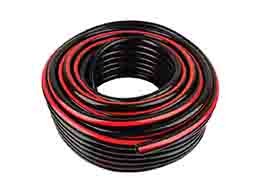
This air hose buying guide explores essential pneumatic hose materials (Poly, Rubber,Hybrid, PVC), diameters, and...
PTFE vs Teflon Hose: Understanding the Real Difference, Specs and E85 Fuel Applications
PTFE vs Teflon Hose: Complete Technical Guide 2025
PTFE vs Teflon Hose:
Evergood is an industrial hose supplier and we offer the complete technical guide for selecting the right PTFE hose and Teflon hose for your application
Quick Comparison: PTFE Hose vs Teflon Hose
| Feature | PTFE Hose (Generic) | Teflon Hose (Brand) |
|---|---|---|
| Temperature Range | -200°C to +260°C (-328°F to +500°F) | -200°C to +260°C (-328°F to +500°F) |
| Pressure Rating | Up to 3000 PSI (depending on construction) | Up to 3000 PSI (depending on construction) |
| Chemical Resistance | Excellent - 98% of chemicals | Excellent - 98% of chemicals |
| Price Range | $1-$30 per meter (varies by spec) | Premium pricing (20-30% higher) |
| Main Difference | Generic chemical name | Registered trademark (Chemours) |
| Best For | Cost-effective industrial applications | High-end applications requiring brand assurance |
What Are PTFE Hose and Teflon Hose?
PTFE hose refers to tubing made from Polytetrafluoroethylene, a synthetic fluoropolymer with exceptional properties. The term "Teflon hose" is simply a brand name for PTFE hose, originally developed by DuPont (now Chemours). Both terms describe the same base material with identical chemical structure.
Think of it like this: PTFE is the scientific name, while Teflon is the brand name - similar to how "acetaminophen" is the chemical name and "Tylenol" is the brand. A PTFE fuel line made with genuine polytetrafluoroethylene material performs identically whether labeled as "PTFE" or "Teflon."
Key Insight: The teflon hose temperature rating and PTFE hose temperature rating are identical because they're the same material. Performance depends on construction quality, not the name used.
Technical Specifications of PTFE Hose
Temperature Performance
The teflon hose temperature rating remains stable across extreme conditions:
- Continuous use: -200°C to +260°C (-328°F to +500°F)
- Short-term exposure: Up to +315°C (+600°F)
- Cryogenic applications: Maintains flexibility down to -270°C
Pressure Ratings
PTFE hose pressure capacity varies by construction:
- Smooth bore PTFE hose: 500-1500 PSI
- Convoluted PTFE hose: 150-500 PSI (higher flexibility)
- Stainless steel braided: 1500-3000 PSI
- PTFE fuel line (automotive): 300-500 PSI typical
Chemical Compatibility
Both PTFE hose and Teflon hose resist virtually all industrial chemicals:
- ✓ Strong acids (98% sulfuric acid, nitric acid, hydrochloric acid)
- ✓ Strong bases (sodium hydroxide, potassium hydroxide)
- ✓ Solvents (acetone, methanol, toluene)
- ✓ Oils and fuels (gasoline, diesel, hydraulic fluids)
- ✓ Oxidizers and corrosive gases
Industry Applications
Automotive & Motorsports
PTFE fuel line is the standard choice for high-performance vehicles due to its resistance to modern ethanol-blend fuels (E85, E10) and extreme engine bay temperatures. Racing teams prefer teflon hose pipe for fuel systems, brake fluid lines, and coolant routing where temperatures exceed standard rubber hose ratings.
Chemical Processing
Chemical plants rely on PTFE hose for transferring concentrated acids, caustic solutions, and aggressive solvents. The teflon hose assembly with stainless steel braiding provides necessary pressure ratings while maintaining chemical inertness. Common applications include reactor feed lines, metering pump connections, and sample collection systems.
Food & Pharmaceutical
FDA-compliant PTFE hose meets stringent hygiene requirements for food processing and pharmaceutical manufacturing. The non-stick surface prevents bacterial growth and product buildup. Used extensively for dairy processing, beverage production, sterile transfer lines, and clean-in-place (CIP) systems. Teflon hose temperature rating allows steam sterilization up to 150°C.
Aerospace & Aviation
Aircraft hydraulic systems utilize lightweight teflon hose pipe for its superior temperature performance and weight savings compared to metal tubing. Critical applications include hydraulic actuators, fuel systems, and pneumatic controls where the teflon hose assembly must function reliably from ground-level heat to high-altitude cold.
Medical & Laboratory
Medical-grade PTFE hose serves in analytical instruments, blood analysis equipment, and chemical delivery systems. The material's purity and non-reactive nature make it ideal for precise fluid handling where contamination could compromise results or patient safety.
5 Common Mistakes When Buying PTFE Hose
Mistake #1: Assuming All PTFE Hose Quality Is Equal
The market contains virgin PTFE, modified PTFE, and recycled PTFE materials. Virgin material PTFE hose delivers the full -200°C to +260°C range, while recycled content may degrade at 150°C. Always request material certificates and verify the PTFE grade.
Solution: Ask for virgin PTFE certification and test reports from independent labs.
Mistake #2: Focusing Only on Initial Price
A cheap teflon hose pipe may cost 30% less initially but require replacement every 6 months instead of lasting 3-5 years. Calculate total cost of ownership including downtime, labor, and replacement frequency before deciding.
Solution: Compare price per year of service life, not just purchase price.
Mistake #3: Ignoring Teflon Hose Assembly Compatibility
PTFE hose requires specific fittings and assembly techniques. Standard compression fittings can damage the liner. Crimped fittings for PTFE fuel line must match the hose construction (smooth bore vs convoluted) and pressure rating.
Solution: Purchase complete teflon hose assembly from one supplier to ensure compatibility.
Mistake #4: Overlooking Minimum Bend Radius
Tight bends can collapse the PTFE liner or create stress points leading to premature failure. Each teflon hose pipe size has a specific minimum bend radius - typically 6-10 times the outer diameter.
Solution: Check bend radius specifications and plan routing before ordering.
Mistake #5: Not Verifying Chemical Compatibility
While PTFE hose resists 98% of chemicals, certain materials like molten alkali metals, elemental fluorine, and chlorine trifluoride can attack it. The outer braid material also matters - stainless steel corrodes in some acids where PTFE is fine.
Solution: Consult detailed chemical compatibility charts for both liner and cover materials.
How to Identify Quality PTFE Hose
Method 1: Visual Inspection
Premium PTFE hose: Uniform white or natural color throughout, smooth inner surface, consistent wall thickness, no discoloration or yellowing.
Low-quality indicators: Yellow or gray tinge (recycled material), rough inner surface, visible thickness variations, bubbles or voids in the wall.
Method 2: Documentation Check
Request these documents to verify genuine PTFE hose quality:
- Material certification (virgin PTFE resin source)
- Pressure test reports at stated teflon hose temperature rating
- FDA compliance letter (for food/pharma applications)
- Batch traceability documentation
- Third-party test results (not just manufacturer claims)
Method 3: Simple Physical Tests
Flexibility test: Quality teflon hose pipe remains flexible at room temperature and doesn't crack when bent to its minimum radius.
Surface test: Run a clean cloth inside the bore - genuine PTFE hose leaves no residue or particles.
Recovery test: Compress the hose gently - it should return to round shape immediately without permanent deformation.
PTFE Hose Selection Guide
Step 1: Define Your Operating Conditions
- What fluid will flow through the PTFE hose? (Check chemical compatibility)
- Operating temperature range? (Continuous and peak)
- Maximum working pressure? (Add 20% safety factor)
- Flow rate requirements? (Affects inner diameter selection)
Step 2: Choose Hose Construction Type
Smooth bore PTFE hose: Best for high flow rates, minimal pressure drop, sanitary applications. Higher pressure ratings.
Convoluted PTFE hose: More flexible, easier installation in tight spaces, lower pressure ratings. Good for vibration-prone installations.
PTFE fuel line (automotive): Specifically designed for gasoline, diesel, and ethanol fuels with appropriate pressure ratings for fuel systems.
Step 3: Select Cover Material
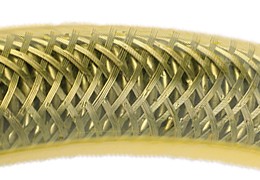
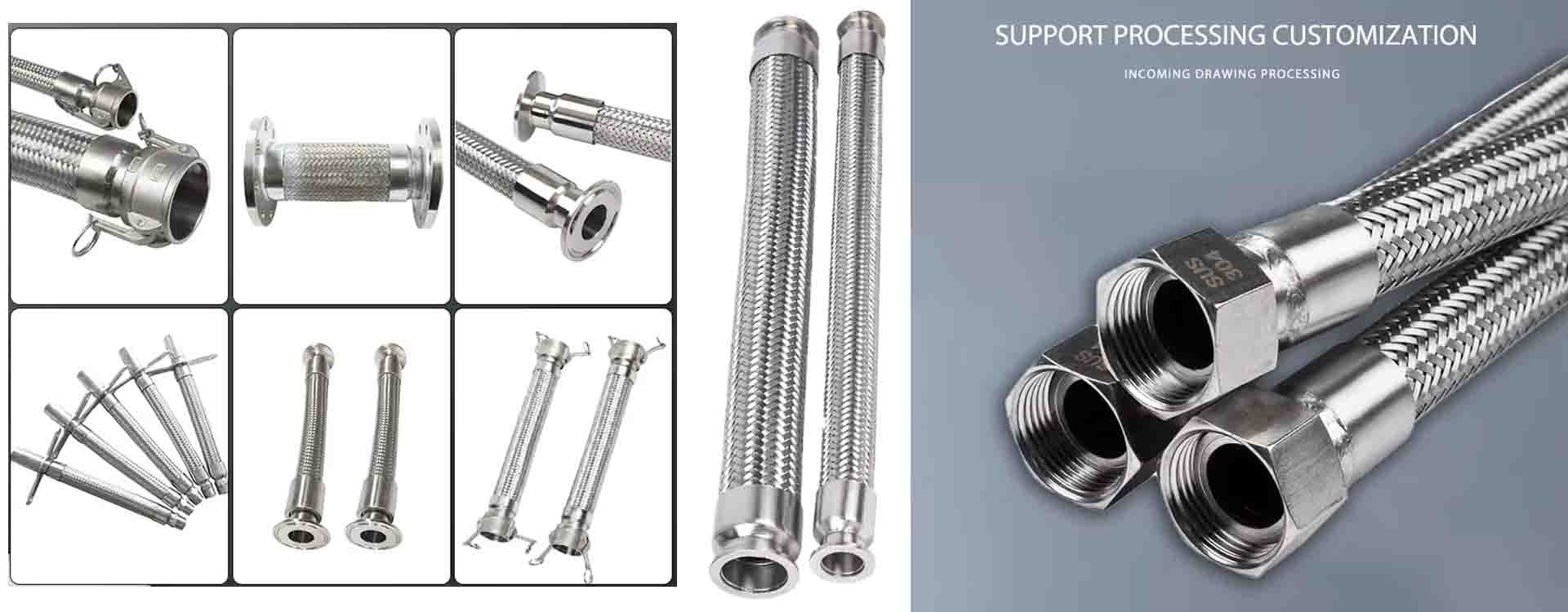
Stainless steel braid: Most common, handles 1500-3000 PSI, good abrasion resistance.
Silicone cover: Additional protection, color coding options, easier handling.
No cover: Maximum flexibility, lowest cost, suitable for protected installations only.
Step 4: Determine Correct Sizing
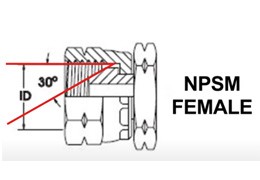
PTFE hose sizing considers both ID (inner diameter) and OD (outer diameter). Standard sizes range from 1/8" to 2" ID. For teflon hose assembly, ensure fittings match both hose size and construction type. Undersizing causes excessive pressure drop and velocity; oversizing wastes money and space.
Frequently Asked Questions
What is the maximum teflon hose temperature rating?
Both PTFE hose and Teflon hose can handle continuous temperatures from -200°C to +260°C (-328°F to +500°F), with short-term exposure up to +315°C (+600°F). This makes them suitable for extreme temperature applications where other hoses fail.
Can I use PTFE fuel line for ethanol fuels?
Yes, PTFE fuel line is excellent for ethanol-blend fuels including E85 and E10. Unlike rubber hoses that swell and degrade with ethanol, PTFE hose maintains its properties and doesn't contaminate fuel. Ensure the complete teflon hose assembly including fittings is ethanol-compatible.
How long does PTFE hose last?
Quality PTFE hose typically lasts 3-5 years in industrial service, sometimes longer with proper installation and maintenance. Service life depends on operating conditions - temperature cycling, pressure spikes, chemical exposure, and UV light exposure all affect longevity. Low-quality hoses may only last 6-12 months.
Is PTFE hose safe for food and drinking water?
FDA-compliant PTFE hose is safe for food, beverage, and potable water applications. The material is non-toxic, doesn't leach chemicals, and resists bacterial growth. Verify the specific product has FDA 21 CFR 177.1550 compliance and appropriate certifications for your application.
What's the difference between smooth bore and convoluted PTFE hose?
Smooth bore teflon hose pipe has a straight inner wall for maximum flow and higher pressure ratings (1500-3000 PSI). Convoluted PTFE hose has a corrugated inner surface, offering more flexibility and easier bending but lower pressure ratings (150-500 PSI). Choose smooth bore for high-pressure applications and convoluted for installations requiring tight bends.
Latest comments