This air hose buying guide explores essential pneumatic hose materials (Poly, Rubber,Hybrid, PVC), diameters, and...
The Complete Guide to LPG Transfer Hose
The Complete Guide to LPG Transfer Hose: Selection, Safety, and Best Practices
When it comes to liquefied petroleum gas applications, choosing the right LPG transfer hose is critical for both safety and operational efficiency. Whether you're managing a bulk loading facility, operating a propane delivery service, or maintaining industrial heating equipment, understanding the nuances of LPG hoses can prevent costly accidents and ensure regulatory compliance.
Understanding LPG Transfer Hose Fundamentals
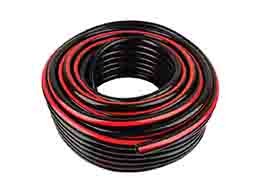
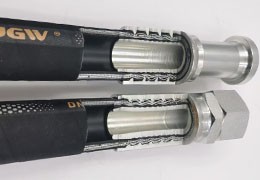
An LPG transfer hose is specifically engineered to handle the unique properties of liquefied petroleum gas. Unlike standard rubber hoses, these specialized products must withstand high pressures, resist permeation, and maintain flexibility across extreme temperature ranges. The construction typically includes a nitrile rubber tube, multiple layers of textile or steel reinforcement, and a chemical-resistant outer cover.
Why Standard Hoses Won't Work
Many facility managers make the critical mistake of using general-purpose hoses for propane applications. This decision can lead to catastrophic failures. LPG molecules are exceptionally small, allowing them to permeate through standard rubber constructions. As gas accumulates within the hose walls or escapes into the surrounding environment, the risk of fire or explosion increases dramatically.
A proper LPG transfer hose incorporates specialized materials that minimize permeation while maintaining the flexibility needed for practical handling. The nitrile rubber tube provides excellent resistance to propane, while the reinforcement layers ensure the hose can handle working pressures up to 350 PSI without failure.
Regulatory LPG Hose Standards and Certifications
UL21 and CGA Type I Requirements
In North America, any LPG transfer hose used in commercial or residential applications must meet Underwriters Laboratories (UL21) and Canadian Gas Association (CGA Type I) standards. These certifications ensure the hose has undergone rigorous testing for:
Pressure resistance and burst strength
Flame resistance and fire propagation
Cold temperature flexibility
Permeation rates
Coupling retention strength
When purchasing hoses, always verify the presence of proper certification markings. The hose branding should clearly display the UL and CGA certification numbers, maximum working pressure, and manufacturing date code.
DOT Requirements for Mobile Applications
If your LPG transfer hose will be installed on vehicles for transport or delivery purposes, Department of Transportation (DOT) compliance becomes mandatory. DOT-certified hose assemblies must be factory-tested, with each fitting etched with a unique certification number. The accompanying documentation must include this identical number, creating a traceable quality assurance chain.
Many facilities overlook this requirement during routine hose replacements, potentially exposing themselves to significant liability. During roadside inspections, DOT officials will verify both the physical markings on the hose assembly and the supporting documentation.
Key Selection Criteria For LPG transfer hose
Application Environment Assessment
Selecting the appropriate LPG transfer hose begins with a thorough evaluation of your specific application environment:
Indoor vs. Outdoor Use: Indoor installations require enhanced ventilation considerations due to potential gas permeation. Outdoor applications face UV exposure, weather extremes, and potential mechanical damage from equipment or foot traffic.
Temperature Range: Standard propane hoses function reliably from -40°F to +180°F. However, operations in extremely cold climates may require specialized low-temperature hoses that maintain flexibility down to -65°F. These X-TREME series hoses incorporate modified rubber compounds that resist brittleness in arctic conditions.
Pressure Requirements: While most LPG transfer hose products are rated for 350 PSI maximum working pressure, your actual system pressure should stay well below this limit. Industry best practice recommends a 5:1 safety factor, meaning if your system operates at 70 PSI, the hose should be rated for at least 350 PSI.
Size and Flow Considerations
Hose diameter directly impacts flow rate and system efficiency. An undersized LPG transfer hose creates excessive pressure drop, forcing pumps to work harder and reducing overall system capacity. Conversely, oversized hoses increase material costs and handling difficulty without proportional benefits.
Common diameter options include:
1/4" to 1/2": Small appliance connections, forklift fuel lines
3/4" to 1": Standard bulk delivery and transfer
1-1/4" to 2": High-volume bulk loading/unloading
2-1/2" to 4": Industrial plant transfer and large-scale operations
For bulk transfer operations, calculate your required flow rate in gallons per minute, then consult flow capacity charts to determine the minimum hose diameter. Always round up rather than down when between standard sizes.
Reinforcement Type Selection
LPG transfer hose construction varies significantly based on reinforcement materials:
Textile Reinforcement: Multiple plies of synthetic textile provide excellent flexibility and kink resistance. These hoses are ideal for applications requiring frequent handling and coiling. They're lighter weight and more economical but have lower abrasion resistance than steel-reinforced alternatives.
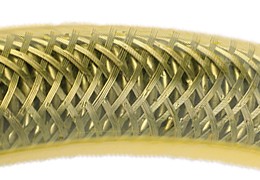
Stainless Steel Braided Reinforcement: One or more layers of high-tensile stainless steel wire braiding deliver superior strength, durability, and kink resistance. Steel-reinforced LPG transfer hose products excel in stationary installations, onboard vehicle connections, and any application where long service life justifies the higher initial cost. The stainless steel also resists corrosion from moisture and chemical exposure.
Hybrid Constructions: Some specialized hoses combine textile and steel reinforcement to balance flexibility with durability. These designs often incorporate a static wire to prevent electrostatic charge buildup during product transfer.
LPG Hose Safety Considerations and Best Practices
Natural Gas Compatibility
A frequent question concerns using LPG transfer hose for natural gas applications. While some LPG hoses can technically handle natural gas, significant restrictions apply. Natural gas molecules are even smaller than propane molecules, accelerating the permeation process. This creates a dangerous situation where flammable gas accumulates in enclosed spaces.
If you must use an LPG transfer hose for natural gas, several conditions are non-negotiable:
The application must occur in well-ventilated environments—either outdoors or in facilities with continuous air movement systems
The hose cannot replace fixed rigid piping where permanent installation is more appropriate
Regular inspection intervals must be shortened to account for accelerated degradation
Consider barrier-construction hoses specifically designed for natural gas when possible
Never use any LPG transfer hose for compressed natural gas (CNG) applications. CNG operates at pressures up to 3,600 PSI, far exceeding the design parameters of LPG hoses. Similarly, these hoses are incompatible with anhydrous ammonia, which chemically attacks the nitrile rubber tube.
Installation Guidelines
Proper installation maximizes LPG transfer hose service life and ensures safe operation:
Minimum Bend Radius: Each hose specification includes a minimum bend radius, typically ranging from 2 to 25 inches depending on diameter and construction. Exceeding this radius—bending the hose too tightly—stresses the reinforcement layers and can cause premature failure. Use your hand to form gentle curves rather than sharp bends.
Coupling Installation: Factory-assembled hoses with crimped couplings provide the highest reliability. Field-installed reattachable fittings offer flexibility but require careful attention to manufacturer torque specifications. Over-tightening can damage the hose, while under-tightening creates leak paths. Always use a calibrated torque wrench for field assembly.
Avoid Twisting: When connecting an LPG transfer hose, ensure it lies naturally without twist. Twisting places uneven stress on the reinforcement and accelerates wear. If the hose naturally wants to twist, disconnect and rotate the coupling before retightening.
Strain Relief: Secure both ends of the hose to prevent movement that could stress the couplings. Use proper hose hangers or brackets rather than wire or string, which can cut into the cover material.
Inspection and Maintenance Protocol
Establishing a rigorous inspection schedule prevents unexpected failures. For actively used LPG transfer hose installations, implement monthly visual inspections:
Cover Inspection: Check for cracks, cuts, abrasion, or bulging. Any visible wire reinforcement indicates cover damage requiring immediate hose replacement. Look for chemical damage or unusual discoloration suggesting incompatible product exposure.
Coupling Inspection: Examine fittings for corrosion, cracks, or movement relative to the hose. A coupling that rotates on the hose indicates loss of retention strength. Check for propane odor near connections, suggesting leak development.
Flexibility Testing: Carefully bend the hose through its normal operating arc. Stiffness or resistance to bending suggests internal degradation. Similarly, a hose that seems abnormally soft may have suffered heat damage.
Documentation: Maintain records of each inspection, noting observations and any corrective actions. This documentation proves compliance during regulatory audits and helps identify recurring problems.
Replace any LPG transfer hose showing signs of damage immediately. The cost of a new hose is trivial compared to the potential consequences of a propane release.
Special Applications and Advanced Options
Low-Temperature Operations
Standard LPG transfer hose products maintain flexibility to -40°F, suitable for most North American applications. However, operations in extreme northern climates, high-altitude locations, or refrigerated storage facilities may encounter temperatures beyond this range.
Specialized low-temperature hoses use modified rubber compounds that resist crystallization and remain flexible to -65°F. These X-TREME series products cost approximately 20-30% more than standard hoses but prevent the brittle failures that occur when standard hoses are flexed in extreme cold.
Bulk Loading and Unloading
High-volume bulk transfer operations impose unique demands on LPG transfer hose systems. The constant flexing during connection and disconnection, combined with high flow rates and potential product surges, requires hoses with enhanced durability.
Large-diameter hoses (1-1/4" and above) typically incorporate multiple braids of textile reinforcement or stainless steel for superior coupling retention. The perforated cover design allows inspection of the reinforcement layers without disassembly. Consider factory assemblies for these applications, as the crimped couplings provide better reliability than field-installed alternatives.
Forklift and Mobile Equipment
Propane-powered forklifts and utility equipment require compact, durable fuel hoses that withstand constant vibration and movement. These applications typically use 5/16" to 1/2" LPG transfer hose with stainless steel braided reinforcement.
The steel braiding provides superior kink resistance while maintaining a small bend radius—critical in the confined spaces around forklift fuel systems. Both rubber-covered and textile-covered versions are available, with textile covers offering better abrasion resistance in industrial environments.
Cost Considerations and ROI
While a quality LPG transfer hose represents a significant investment compared to general-purpose hoses, the total cost of ownership strongly favors premium products. Consider these factors:
Service Life: Industrial-grade hoses with steel reinforcement typically last 5-7 years in active service, compared to 2-3 years for economy alternatives. The initial cost premium is recovered through extended replacement intervals.
Safety and Liability: A hose failure in a commercial propane facility can result in property damage, injuries, regulatory fines, and liability claims totaling hundreds of thousands of dollars. The incremental cost of certified, high-quality hoses is insurance against catastrophic loss.
Operational Efficiency: Properly sized, flexible hoses reduce handling time and operator fatigue. In high-volume operations, these efficiency gains compound over thousands of connection cycles.
Regulatory Compliance: Using certified LPG transfer hose products simplifies regulatory compliance and reduces the risk of operational shutdowns during inspections.
LPG Transfer Hose Future Trends and Innovations
The LPG transfer hose industry continues evolving to meet changing safety standards and operational demands. Current development areas include:
Enhanced Barrier Materials: Next-generation tube compounds further reduce permeation rates, particularly important as natural gas applications increase.
Smart Hose Technology: Embedded sensors monitor pressure, temperature, and usage cycles, enabling predictive maintenance and preventing unexpected failures.
Sustainable Materials: Manufacturers are exploring alternative rubber compounds and reinforcement materials with lower environmental impacts while maintaining performance standards.
Extended Temperature Ranges: Advanced formulations push operating limits beyond current -65°F to +180°F boundaries, expanding application possibilities.
Conclusion
Selecting and maintaining the right LPG transfer hose is fundamental to safe, efficient propane operations. By understanding certification requirements, evaluating your specific application needs, and implementing proper installation and inspection protocols, you can minimize risks while maximizing operational reliability.
Remember that the LPG transfer hose in your facility is a critical safety component, not merely a commodity purchase. Invest in quality products from reputable manufacturers, maintain rigorous inspection schedules, and never compromise on safety standards. The modest additional cost of premium hoses is negligible compared to the protection they provide for your personnel, facility, and business operations.
Whether you're specifying hoses for a new installation or replacing existing equipment, take time to properly evaluate your requirements. Consult with knowledgeable suppliers who can recommend the optimal LPG transfer hose configuration for your specific application. The decisions you make today regarding hose selection and maintenance will impact your operational safety and efficiency for years to come.
As a professional industrial hose manufacturer, EVERGOOD utilizes modern equipment and a skilled technical team to produce high-quality LPG hoses. Their strict adherence to quality control ensures the durability, safety, and reliable performance required for the safe transfer and handling of Liquefied Petroleum Gas in various settings. If you need rubber hose solutions, please contact us.
Latest comments