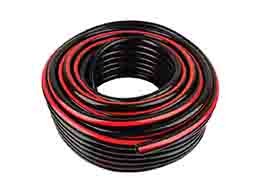
This air hose buying guide explores essential pneumatic hose materials (Poly, Rubber,Hybrid, PVC), diameters, and...
Concrete Pump Hose Guide: Perfect Placement Every Time
What is a Concrete Hose?
Concrete Pump Hose : Expert Guide
The right concrete hose manufacturer ensures smooth delivery, zero blockage, and maximum project uptime.
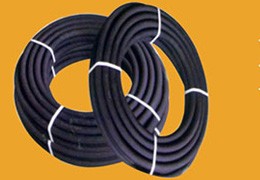
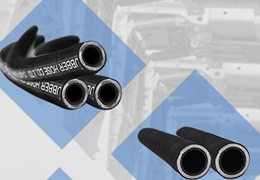
A concrete hose is a specialized flexible conduit designed to transport ready-mix concrete from pumps to placement points on construction sites. Built with reinforced rubber and high-tensile materials, these hoses withstand extreme pressures, abrasion from aggregates, and demanding environmental conditions. They are essential in construction, tunneling, and bridge works where precise concrete delivery is critical.
From high-rise buildings to underground infrastructure projects, concrete pump hose enables efficient material placement in locations that would otherwise be inaccessible or require costly manual labor.
Why the Right Concrete Hose Matters
Choosing the wrong concrete delivery hose can lead to costly project delays and safety hazards. Common jobsite problems include pipe blockages caused by inadequate internal diameter, hose bursts from pressure overload, and rapid wear from substandard rubber compounds. Each incident results in downtime, emergency repairs, and wasted concrete.
The total cost of ownership extends beyond initial purchase price. A high pressure concrete hose that fails prematurely may cost three times more in lost productivity than investing in quality equipment from the start. Burst hoses pose serious safety risks to workers and can damage surrounding structures.
▸ Risk Factors of Incorrect Hose Selection:
Blockages from undersized hoses • Bursts from pressure mismatch • Accelerated wear on inferior materials • Project delays averaging 2-4 hours per incident • Increased labor costs for cleanup and replacement
Concrete Hose Construction Explained
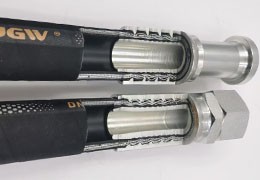
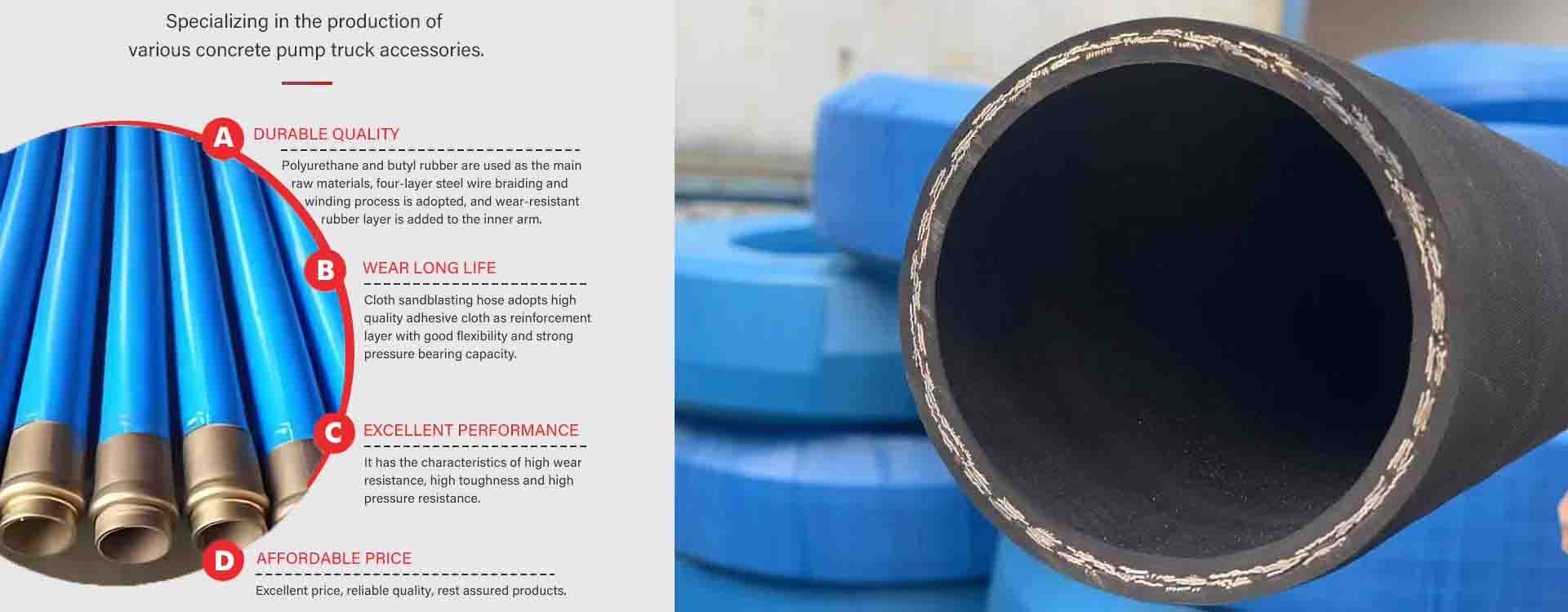
Understanding the layered construction of a concrete pumping hose helps engineers and contractors select the right product for their specific pumping requirements. Each component serves a critical function in ensuring reliable performance under harsh operating conditions.
▸ Inner Tube
Constructed from premium SBR/NR synthetic rubber compounds specifically formulated for abrasion resistance. The smooth bore minimizes friction and prevents aggregate buildup during pumping operations.
▸ Reinforcement Layer
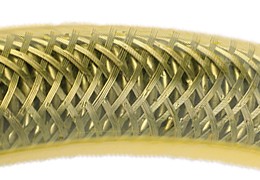
High-tensile steel wire or textile cord spiral provides structural integrity to withstand working pressures. Steel wire reinforced hose handles pressures up to 85 bar (1230 PSI), while textile reinforced hose serves lighter-duty applications up to 55 bar.
▸ Outer Cover
Weather-resistant rubber sheath protects against UV radiation, ozone exposure, and mechanical damage. The cover maintains flexibility across temperature ranges from -35°C to 80°C without cracking or degradation.
✓ Quality Assurance
Each EVERGOOD hose passes rigorous AKRON abrasion testing for 10,000+ cycles, meeting ASME and ISO international standards for concrete placement hose performance.
Concrete Hose Specifications
Selecting the correct concrete hose specification ensures optimal pump performance and longevity. Engineers must match hose parameters to pump capacity, concrete mix design, and project requirements. All EVERGOOD hoses are manufactured with a 3:1 safety factor, meaning working pressure ratings provide substantial margin above typical operating conditions.
| Inner Diameter | Working Pressure | Burst Pressure | Recommended Application |
|---|---|---|---|
| 1" - 2" (25-51mm) | 55 bar (800 PSI) | 165 bar | Small trailer pumps, grouting |
| 3" - 4" (76-102mm) | 85 bar (1230 PSI) | 255 bar | Standard truck-mounted pumps |
| 5" - 6" (127-152mm) | 85 bar (1230 PSI) | 255 bar | High-volume commercial projects |
| 7" - 8" (178-203mm) | 55 bar (800 PSI) | 165 bar | Large stationary pumps, foundations |
Maximum aggregate size should not exceed one-third of the hose inner diameter. Temperature rating: -35°C to +80°C. All specifications meet or exceed ASME and ISO requirements for concrete placement hose performance.
Concrete Hose Applications
Concrete pumping hose application spans diverse construction scenarios, each demanding specific performance characteristics. Understanding these use cases helps contractors optimize equipment selection for their unique project requirements.
▸ High-Rise Buildings
Long-distance vertical pumping requires high pressure concrete hose with superior burst resistance. Steel wire reinforced construction handles pressures up to 85 bar while maintaining flexibility for routing through tight building cores. Typical applications include residential towers, office complexes, and mixed-use developments where concrete must be delivered 50+ meters vertically.
▸ Bridge & Tunnel Construction
Confined space delivery demands wear resistant concrete hose that can navigate complex pathways while withstanding abrasion from aggregate movement. These projects often involve continuous pumping over extended periods, making durability and reliability paramount. Applications include bridge decks, pier foundations, tunnel linings, and underground transportation infrastructure.
▸ Foundation & Civil Works
Flexible operation capabilities allow concrete rubber hose to adapt to changing placement points throughout excavation and foundation pour sequences. The hose must handle variable flow rates and maintain performance across different concrete mix designs. Common uses include pile caps, grade beams, retaining walls, and mass concrete pours for dams and industrial facilities.
▸ Ready-Mix Concrete Plants
Reliable daily operation in batching plants and pre-cast facilities requires concrete hose construction that withstands repetitive use cycles. These installations benefit from easily replaceable hose sections and standardized coupling systems. Plant operators prioritize hoses that deliver consistent performance across thousands of batches while minimizing maintenance downtime.
How to Choose the Right Concrete Hose
Selecting appropriate concrete delivery hose involves evaluating multiple factors that affect pumping efficiency and equipment longevity. This systematic approach helps prevent costly mistakes and ensures optimal performance.
Match the concrete hose specification to your pump's maximum output pressure. Trailer pumps typically operate at 55 bar, while truck-mounted units may reach 85 bar. Always verify manufacturer specifications and include a safety margin for pressure spikes during start-up or blockage clearing.
The hose inner diameter must accommodate the largest aggregate in your concrete mix. A general rule specifies minimum ID of three times the maximum aggregate diameter. Higher flow rates require larger diameters to prevent excessive friction and pressure loss over distance.
Steel wire reinforced hose provides maximum pressure capacity and abrasion resistance for demanding applications. Textile reinforced hose offers greater flexibility and lighter weight for projects where pressures remain below 55 bar. Consider the trade-off between durability and ease of handling based on your typical job conditions.
Prevent blockages by using mesh screens at the pump hopper to filter oversized aggregates and debris. Even high-quality concrete placement hose can fail prematurely when subjected to materials exceeding design specifications. Regular inspection and cleaning of screening systems maintains consistent pumping performance.
Contractors with occasional pumping needs may opt for economy-grade hoses, while high-volume operations benefit from premium wear resistant concrete hose with extended service life. Calculate total cost of ownership including replacement frequency, not just initial purchase price.
Why Choose EVERGOOD Concrete Hoses
EVERGOOD stands as a trusted concrete hose manufacturer serving construction professionals across 50+ countries. Our commitment to quality begins with material selection and extends through every manufacturing stage to final testing and certification.
Premium Raw Materials: High-strength SBR/NR synthetic rubber compounds deliver superior abrasion resistance and extended service life compared to standard formulations.
Rigorous Testing Protocols: Every concrete pump hose undergoes AKRON abrasion testing for 10,000+ cycles, pressure burst testing, and dimensional verification before leaving our facility.
Custom Solutions Available: Flexible manufacturing capabilities accommodate custom lengths, specialized fittings (flange, clamp, quick-connect), and unique project requirements.
OEM & Private Label Support: Complete branding services for distributors and equipment manufacturers seeking reliable concrete hose supplier partnerships.
International Certifications: SGS, ISO, MSHA, and CE certified manufacturing processes guarantee compliance with global safety and performance standards.
Serving major projects across North America, Europe, Middle East, Southeast Asia, and beyond. From foundation pours to skyscraper construction, contractors trust EVERGOOD for reliable concrete pumping hose performance.
Request Your Custom Quote
Maintenance & Safety Tips
Proper concrete hose maintenance extends service life, prevents unexpected failures, and maintains optimal pumping efficiency. Implementing these best practices protects your investment and ensures jobsite safety.
Clean After Each Use: Flush concrete pumping hose immediately after pumping to prevent residual concrete from hardening inside. Use sponge balls or water pressure to remove all material, paying special attention to bends and connections.
Regular Inspection Schedule: Check couplings, clamps, and gaskets before each use for wear or damage. Examine the outer cover for cuts, abrasion, or bulging that might indicate internal reinforcement failure.
Proper Storage Conditions: Store hoses in dry, covered areas away from direct sunlight and ozone sources. Lay flat or coil loosely to prevent kinking. Avoid storage near solvents or petroleum products that degrade rubber.
Handle With Care: Avoid dragging concrete hose across rough surfaces or sharp edges. Use protective sleeves in high-abrasion areas. Never exceed the specified minimum bend radius during operation.
Replace Worn Components: Retire hoses showing significant wear, bulging, or coupling looseness. Continuing to use compromised equipment risks burst failures and worker injury.
Frequently Asked Questions
Q: How long does a concrete hose last?
Service life varies based on usage intensity, concrete mix characteristics, and maintenance practices. Under typical conditions with proper care, a quality concrete placement hose delivers 2,000 to 5,000 cubic meters of concrete. High-volume commercial operations may require replacement after 6-18 months, while occasional users can expect several years of service.
Q: Which pumps are compatible with EVERGOOD hoses?
EVERGOOD concrete pump hose works with all major brands including Putzmeister, Schwing, CIFA, Zoomlion, Sany, and others. We offer multiple coupling configurations (flange, clamp, quick-connect) to match your specific pump connections. Contact our technical team with your pump model for exact fitting recommendations.
Q: Can you customize hose length and fittings?
Yes, EVERGOOD provides full customization for concrete delivery hose specifications. We manufacture custom lengths from 1 to 40+ meters and can install various end fittings including flanges, clamps, and quick-coupling systems. Minimum order quantities apply for specialized configurations. Our engineering team assists with technical specifications to ensure optimal performance.
Q: What's the difference between concrete hose and slurry hose?
While both handle abrasive materials, concrete hose features reinforcement designed for intermittent high-pressure pumping with aggregates up to 40mm. Slurry hose typically serves continuous-flow applications with finer particles at lower pressures. The tube compounds and reinforcement structures differ significantly. Always specify concrete-rated hose for concrete pumping applications.
Q: How should I store hoses for long-term use?
Store concrete rubber hose in a cool, dry location away from direct sunlight, ozone sources, and petroleum products. Lay flat or coil loosely with a diameter at least 10 times the hose diameter. Clean and dry thoroughly before storage. Inspect couplings and apply light oil to metal components. Avoid storage in areas subject to extreme temperature fluctuations.
Leave a comment
Comments
-
Concrete Pump Hose Guide: Perfect Placement Every Time
By: Reinvent RMC On 12/16/2025Clear, detailed, and well-written guide on concrete pump hoses. The placement tips are especially helpful for real-world applications.
Latest comments